Beyond Polarization is a limited series from Making Peace Visible about what polarization is costing the United States, and potential solutions.
Each of seven episodes addresses one sector of society: social psychology, journalism, new media, education, civil society, religion, and government.
I conceived of the series and served as lead producer. It ran from July through October 2026.
SELECTED EPISODES
Civil society organizations are crucial to peacebuilding efforts, in the US and around the world. That includes nonprofits, school boards, churches, membership organizations and charities. A number of international peacebuilding organizations launched local programs in the United States after the 2016 election revealed heightened levels of polarization and dehumanizing rhetoric that mirrored what they'd seen in countries with ongoing violent conflicts. Now we have about 10 years worth of experience, and data from this kind of work to learn from.
Do Americans even care about bridging political divides? When people attend an event where they come to see the humanity in their opponents and learn how to disagree better, do they take those lessons home to their communities? Are these efforts scalable, or do they just reach a small number of people? Does it reduce polarization when you bring people together just to talk about polarization...or should there be a particular goal in mind? We attempt to answer these questions this episode with two guests.
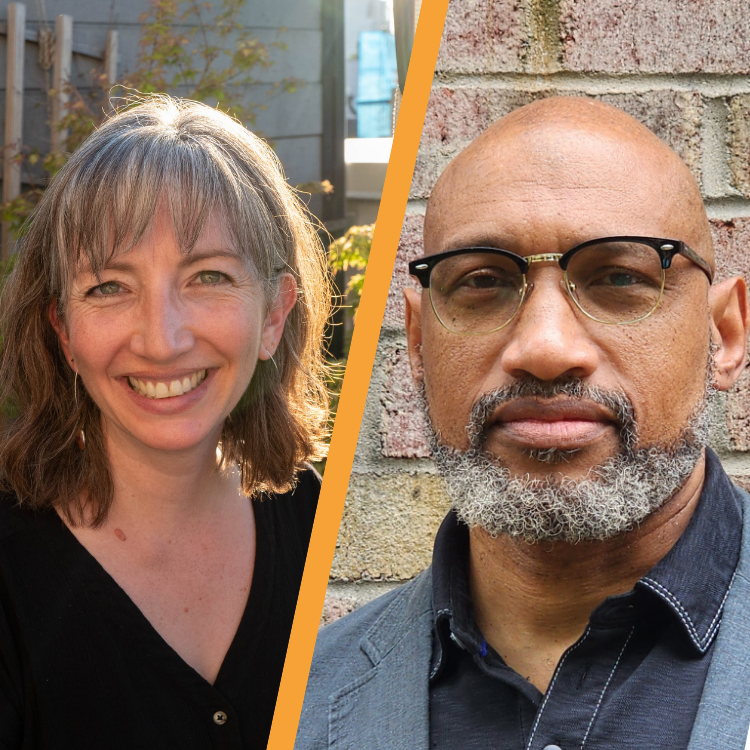
Lance Walker is a barber and a community bridge builder in rural Chambersburg, Pennsylvania. He's a Black man and father of mixed race children, a veteran, a small business owner and a self-described "disciple of Christ." After building a reputation for facilitating conversations across a variety of political views at his barbershop, Walker co-led two projects aimed at preventing identity-based and political violence in his area, organized by the nonprofit bridge building organization Urban Rural Action. He also served on a highly polarized school board.
Lisa Inks is the Senior Director of Evidence and Learning for Urban Rural Action. Previously, Inks worked at Mercy Corps for 10 years, serving in positions including Director of Conflict Management Programs in Nigeria and Director of Peace and Conflict Programs, where she led global peacebuilding and violence prevention strategy, program design, implementation support, and thought leadership. She is based in Indianpolis, Indiana.
From the barbershop to the ballot box: Taking local action against polarization
Think about an issue that you're passionate about. Imagine sitting in a room with someone just as passionate as you, but on the polar opposite side of that issue. Now, imagine your conversation is being recorded and will be streamed online. What do you think would happen in that room?
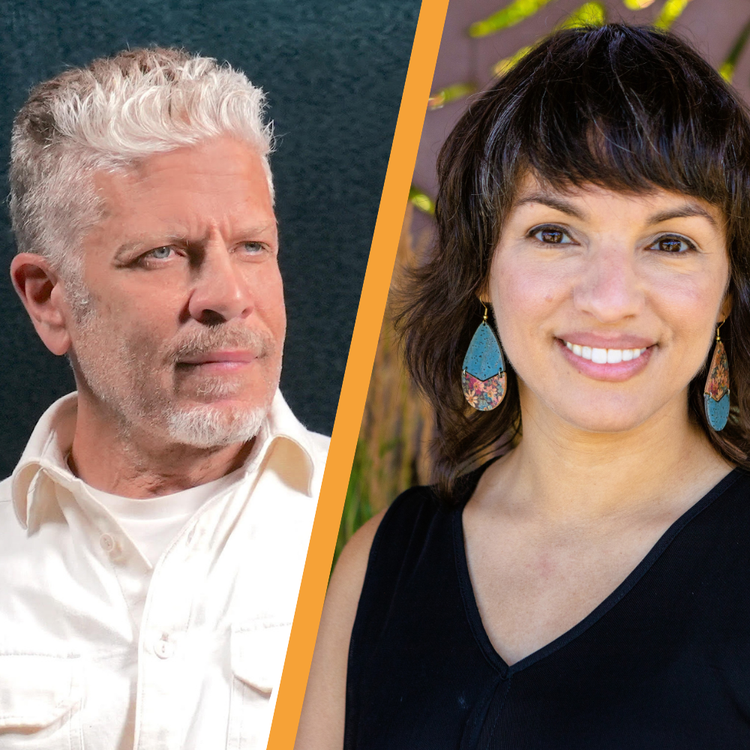
Our first guest this episode is a content creator who brings Americans with deeply opposing views together and streams the conversations on YouTube. But he's doing things differently. Larry Rosen is an attorney, a mediator and the host of The Enemies Project, a series where enemies – people who are polar opposites on an issue – participate in a conversation facilitated by Rosen.
Some of the pairs featured include a transgender woman and a right-wing gender fundamentalist, a Black protester and a white police officer, and activists from both sides of the abortion debate.
Over the course of an hour, the shift in the way the “enemies” feel about each other is dramatic and quite moving to watch.
Our next guest widens the lens, asking how we can cultivate that same spirit of curiosity across a broader culture. Monica Guzman is a journalist, and public bridge builder. She's a host of A Braver Way, a podcast that looks for practical ways to bridge political divides in everyday life, and the author of I Never Thought of It That Way: How to Have Fearlessly Curious Conversations in Dangerously Divided Times.
Much of Guzman's bridge-building work happens through online media, including podcasts and social media. We ask her what it takes to do this work on digital platforms that often reward conflict more than consensus. We speak about what bridge builders can and can't accomplish in that environment and how political conversations online might be shifting.