Previous
Previous
Beyond Polarization
Next
Next
Media outlets run by and for non-white audiences, while working under great financial pressure, occupy a special role in the information ecosystem. With immigrants and people of color so often targeted, ethnic and indigenous media outlets have sharp antennae for disinformation. And they offer lessons for mainstream journalists and news consumers.
A 2025 report, Disarming Disinformation: United States takes an in-depth look at how disinformation shows up in ethnic and indigenous communities and in their news media, and also highlights ways these outlets are fighting disinformation. It was published by the International Center for Journalists in collaboration with journalism schools at the University of Maryland and Arizona State University.
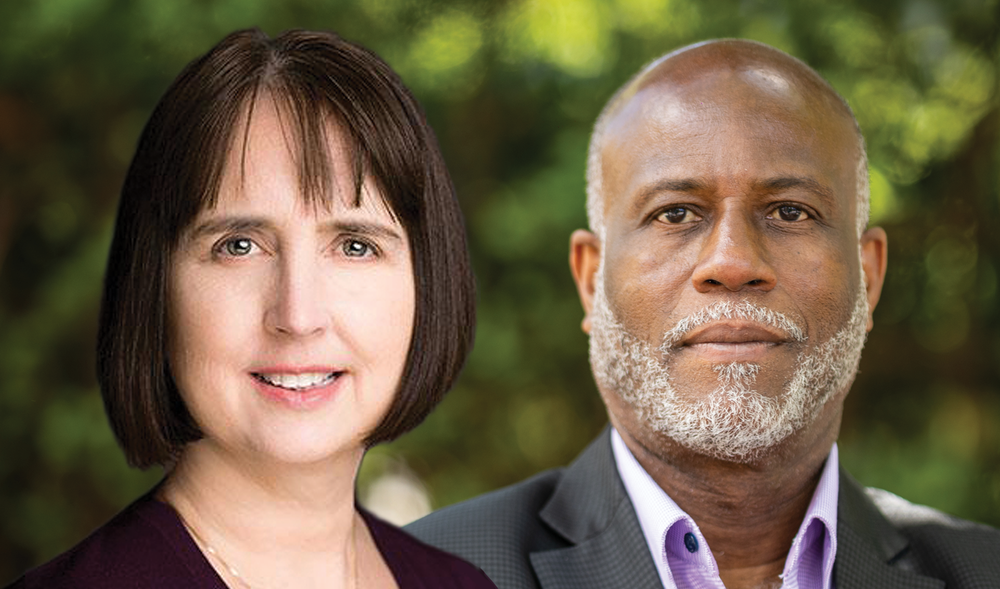
I spoke with Gary Pierre-Pierre, editor-in-chief of The Haitian Times, an English-language news outlet that covers Haiti and the Haitian diaspora, and Sarah Oates, Associate Dean for Research/Professor and Senior Scholar at the Philip Merrill College of Journalism at the University of Maryland, and a coauthor of the report.
In the new field of ‘peace tech,’ companies are using AI to predict the likelihood of major events – like military invasions or popular uprisings, and modeling how to prevent violence before it starts. With their ability to process massive data sets from intelligence, journalism and other sources, these tools can also quickly gain insights on what’s driving conflicts on a population level. Important tools for governments and mediators, they also appeal to corporations working around the world – customers who guest Brian Abrams hopes will bring in revenue to sustain the peace tech sector.
Abrams is the founder of B Ventures Group, a venture capital firm for peace tech. Prior to that he was president of Ibex Investors and a managing partner at Row Capital.
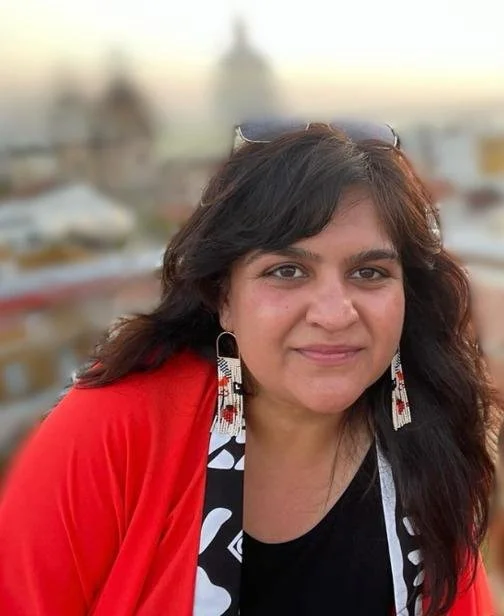
A Kenyan-born lawyer, Neha Sanghrajka spent almost a decade in Mozambique mediating a peace process between the country’s president and a guerrilla leader stationed on a remote mountaintop. Sanghrajka and her colleague, Swiss Ambassador Mirko Manzoni, travelled back and forth between the capital of Maputo and the militant headquarters in the remote Garongosa Mountains 45 times – a journey of over 1000 km each way. And when she wasn’t hoofing it up the mountain, Sanghrajka spent many hours just listening to local people, without expectation.
Sanghrajka's story presents a fascinating example of how polarized groups can actually buy into a process of reconciliation, despite major setbacks along the way; and how journalists can report responsibly and critically, while still supporting the aspiration of peace.